











 Ivo Bernardo




Ranked opportunities
A shortlist of the highest-value AI opportunities in scope, scored on impact, effort, risk and dependencies, with draft ROI where the data supports it.


A two-week, fixed-fee assessment that gives your leadership team a ranked view of where AI creates value in your business, what to build first, and what it will take to ship it.
Most organisations we meet are not short of AI ideas. They are short of agreement on which problem matters most, whether the data is ready, who owns the outcome, and what it would take to put something into production.
Budget sits with one leader, feasibility with another, risk with a third, and adoption with the teams who have to use it. Ideas reach vendor demos and disconnected pilots long before any of that is settled.

A shortlist of the highest-value AI opportunities in scope, scored on impact, effort, risk and dependencies, with draft ROI where the data supports it.

Every opportunity matched to how it would actually be built: an application, an agent, an integration or a governance layer, with a rough build sequence.

The data, security clearances, approvals, named owners and dependencies each opportunity needs before a build can start.
Before any recommendation, a structured discovery grounded in your actual workflows, weighed against business value and delivery reality.
 Week one
 Week two
 Decision

Opportunities are defined against data quality, systems, compliance and adoption, because the same specialists would ship the work.
No handoff between the team that recommends and the team that builds.
From assessment through implementation and optimisation, we work with your business, technical and risk teams as one delivery team.
Decisions stay shared, ownership stays clear, and the people who will use the solution are involved before anything is built.
DareData has delivered AI and data systems for 80+ clients across industries, with use cases tied to measurable operational and business outcomes.
The results below show what that looks like in production.
 ~20,000Invoices received per month
 50k+design and material combinations explored virtually in seconds
 30+external data types integrated through automated extraction
 5kfewer calls per month, expected
 Undisclosed Client10k+games across 20+ events
 ~52 secondsper document in production, against 15–20 minutes by hand
 1M+conversations since January 2025
 800k+calls per month transcribed, summarised and classified
 150kmessages in 3 months
 Undisclosed Client-75%time to market
 Undisclosed Client300Talend jobs processed
 €100kin fuel savings per year
 90%of top-ranked companies showed measurable export growth after deployment
 7,000emails classified per month
 4.2 hoursfor all 2,800 reports with fifty agents in parallel, down from 210
 10%handling call time reduction

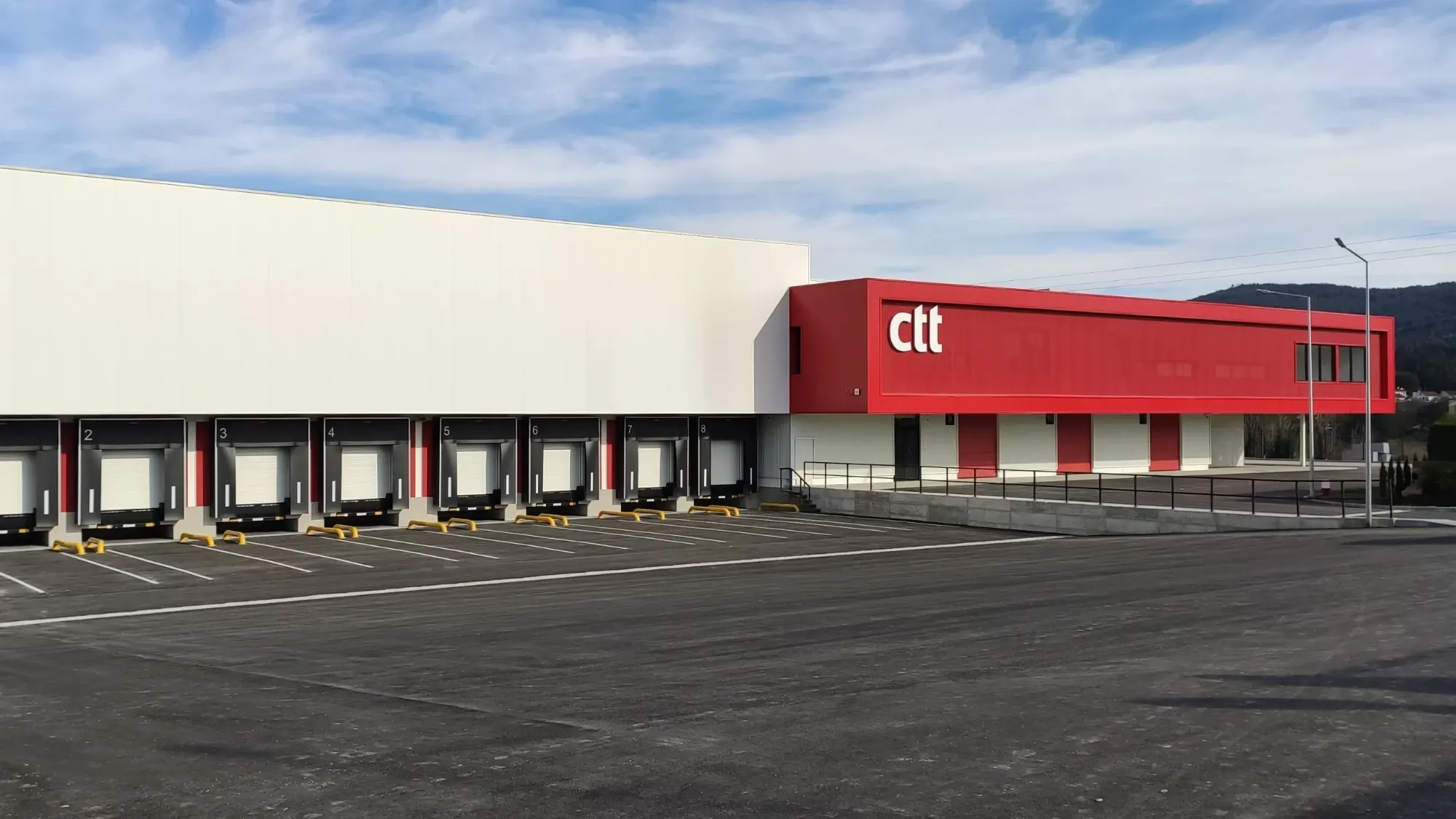 ~100kquestions handled in a single month
 94%customer correspondence accuracy
 20%better forecast accuracy than the manual method, validated against the October to December hard close
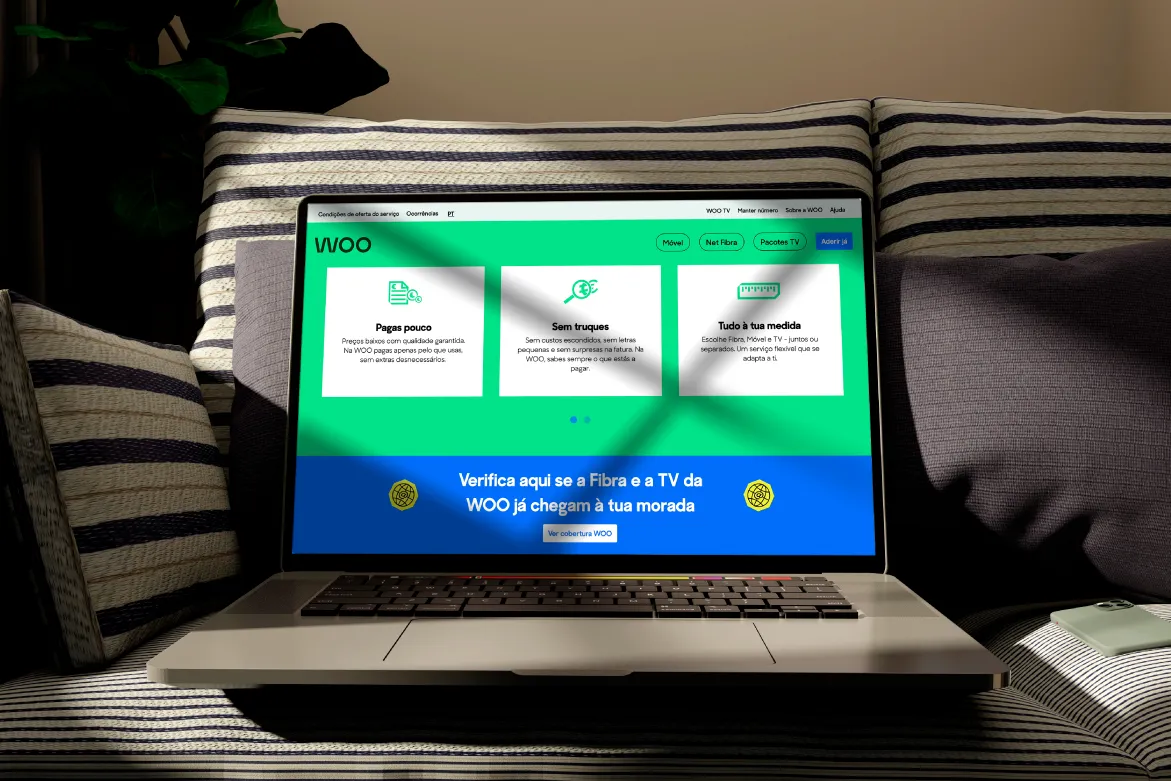 50kconversations contained monthly
 Undisclosed Client~80Active Users
 +28%more sales meetings
 Undisclosed Client70%accuracy in detecting bluff
 100+requests handled per day
 300quotes generated per month
 €350daily savings per machine

Some of this work runs on GenOS, the enterprise AI platform we build and operate. Some of it does not, and where a different approach fits the problem better, that is the one the assessment recommends.
From day one, the DareData team earned our trust through outstanding communication and responsiveness.

The practical details leadership teams usually need before deciding.
Talk to usA POC builds one thing to test whether it works. The assessment decides what is worth building in the first place. Running a POC on the wrong use case is the most expensive way to learn that it was the wrong one.
You get a delivery-shaped plan rather than a direction. Every recommendation carries the data needs, owners, dependencies and architecture required to start building it.
If it has a named owner, real urgency, workable data and internal agreement, go and build it: we will tell you so on the call. If 2 or more of those are missing, the assessment protects the quality of that first investment.
Two working weeks, with the schedule agreed in advance. The constraint is usually stakeholder availability rather than analysis, which is why we lock the calendar before the clock starts.
An executive sponsor who owns the budget, the leaders who own the work and the data, and whoever signs off on risk. From our side, one principal and one technical specialist.
Then the report says so, and we tell you what would solve it instead. We would rather be right about the opportunity than sell you the wrong shape of solution.
Assessments are fixed-fee, starting at €8,000 for a single function, and credited toward the delivery work if you go ahead. Scope and fee are agreed on the scoping call.
No. Most clients come to us precisely because they do not have one.
Large enterprises trust us to carry AI all the way into production. We shape the use case, build it into your systems and run it with the governance your business needs.