












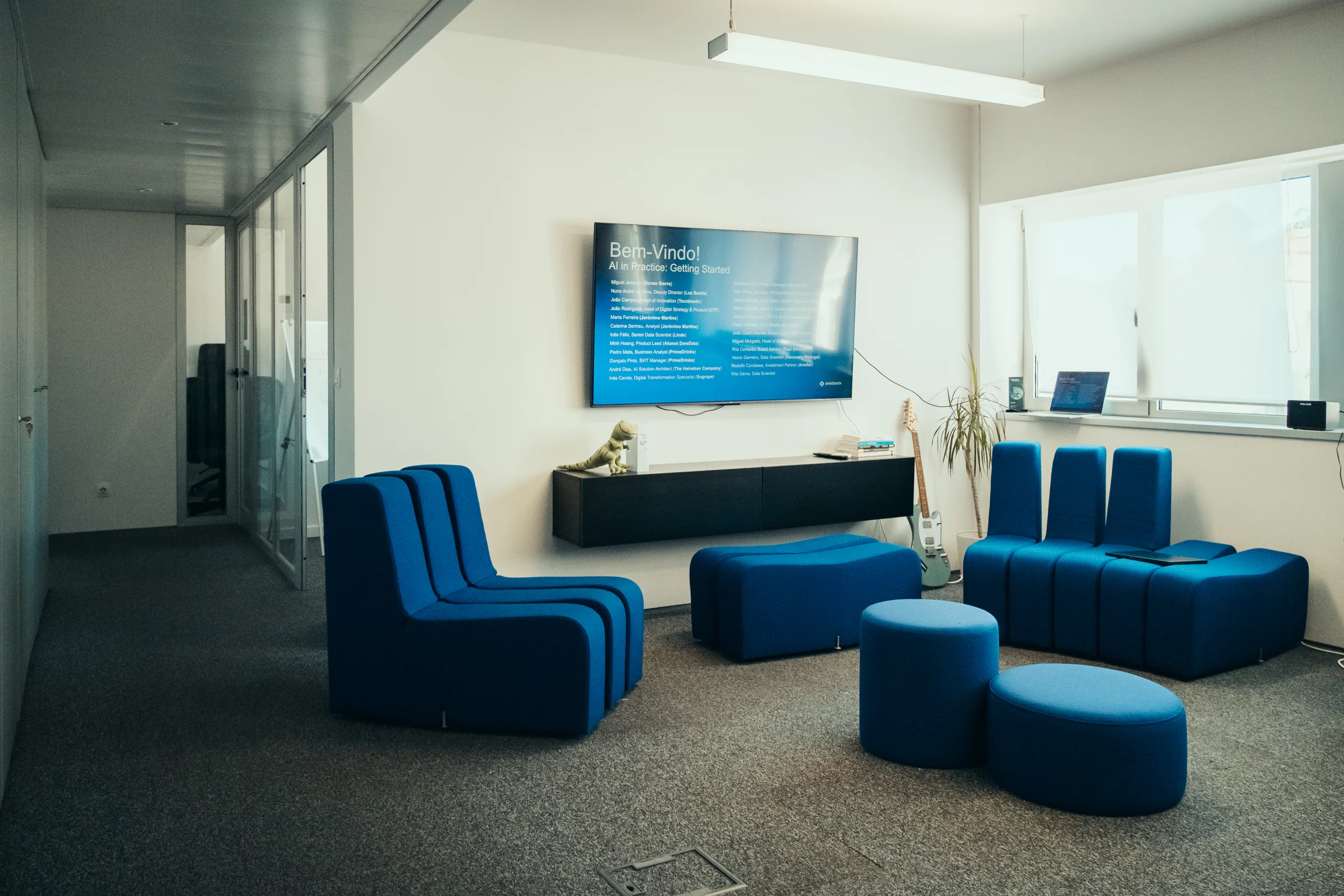

Test more designs before the first prototype.
Simulation, document extraction and shared data platforms let engineers and scientists test more ideas with fewer prototypes.
- 01
Cable design simulation
Test more designs before the first prototype.
- 02
Construction document intelligence
Pull the data out of engineering documents and into the model.
- 03
R&D data platform
One place for every experiment, dataset and research request.
AI in production, story by story.
Pick one to see the result, the client behind it and the full story.
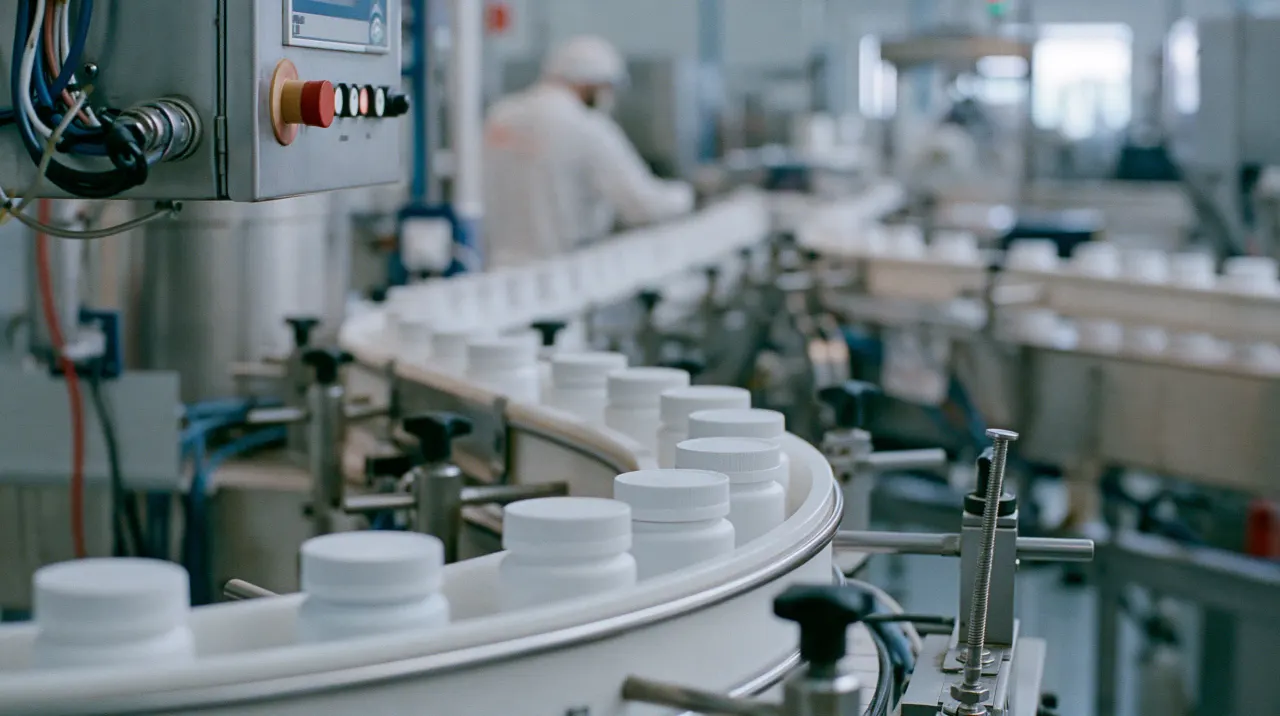
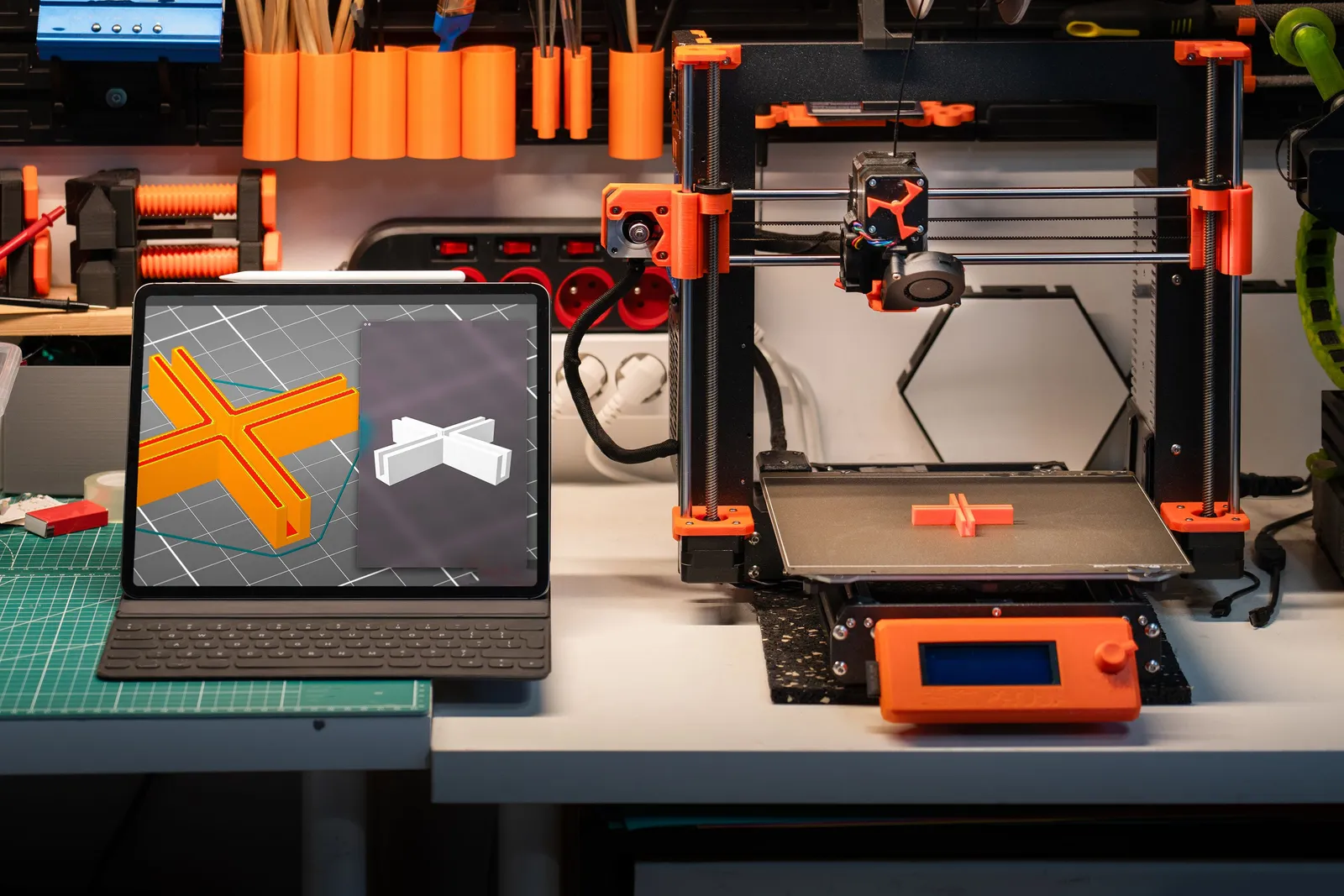 Use Case · Cable Design Simulation+50,000design and material combinations explored virtually in secondsCoficab tests 50,000 cable designs before building oneSimulation-driven platform for faster cable design cycles and material optimisationFull success story
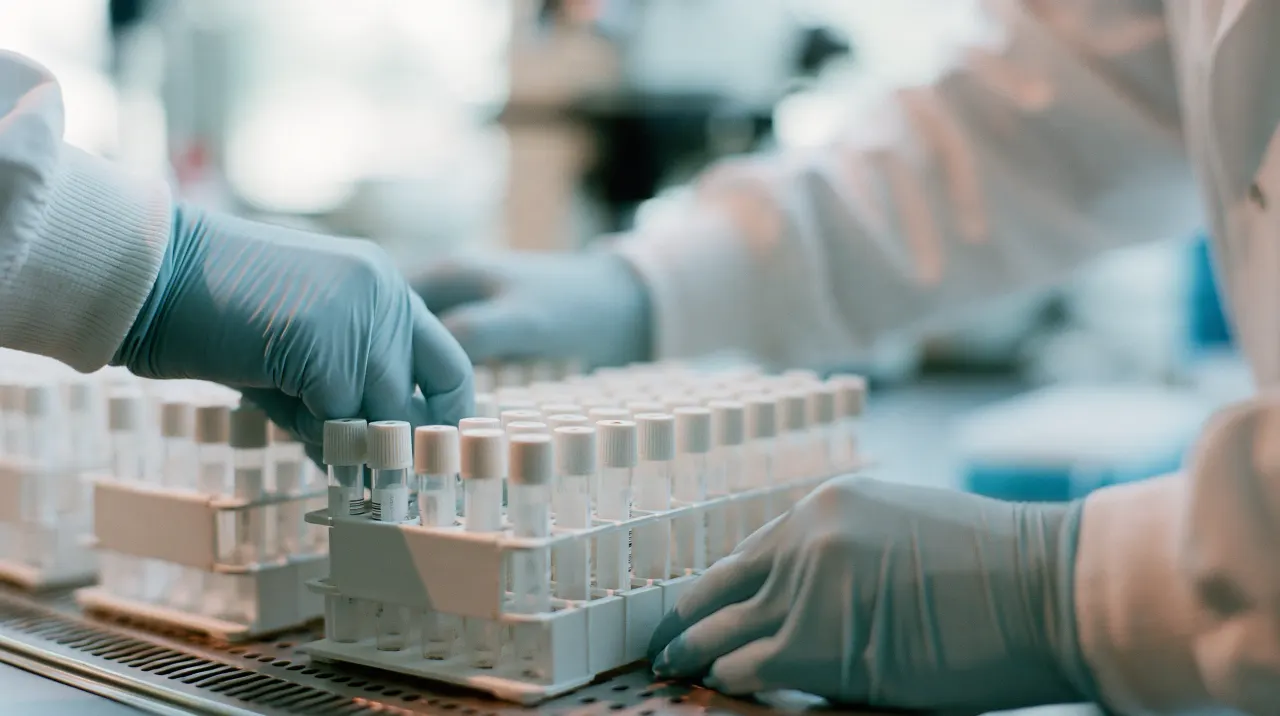
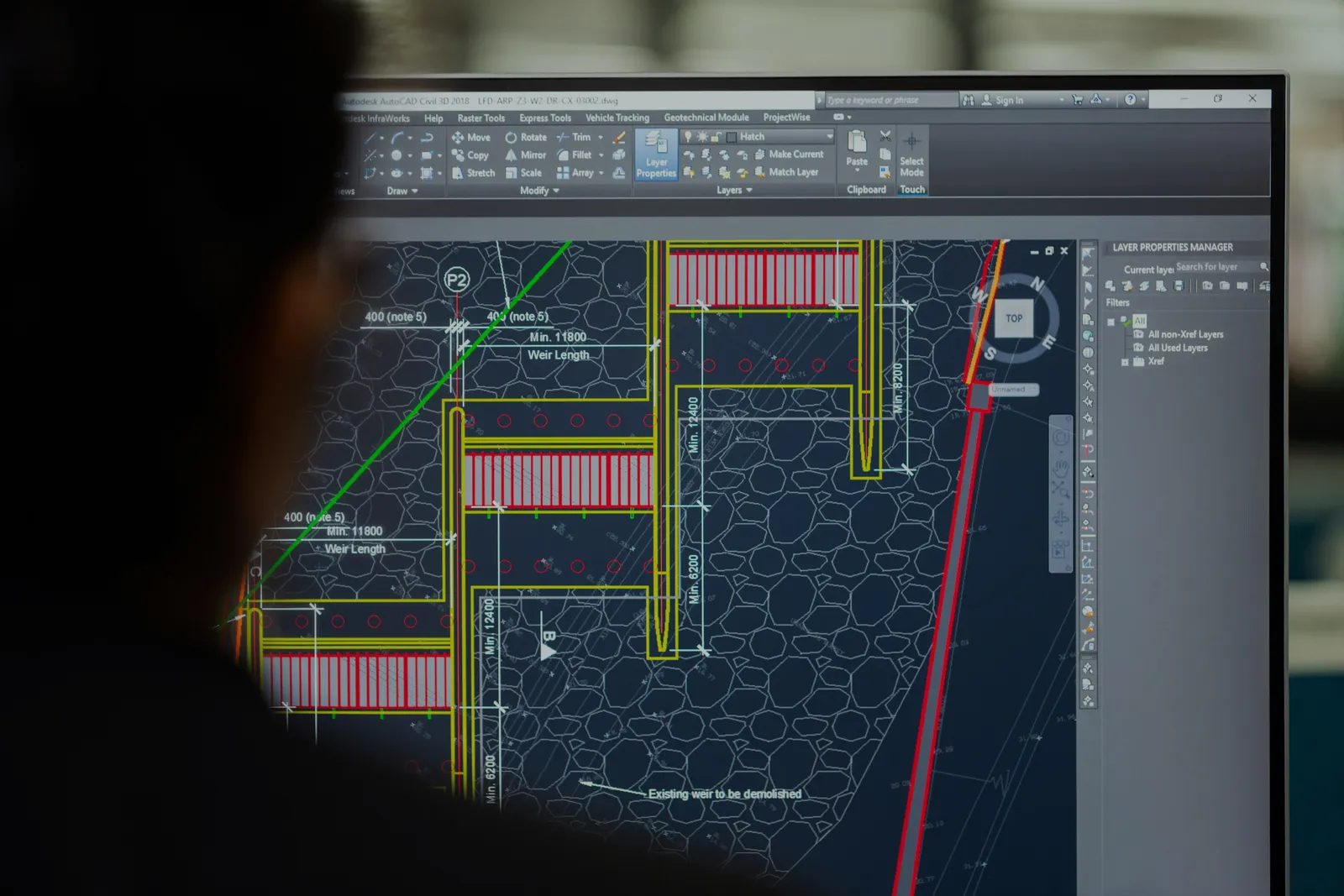 Use Case · Construction Document Intelligence+30external data types integrated through automated extractionBERD reads bridge drawings, BIM files and 30+ data sources automaticallyAutomated data extraction and BIM integration for bridge projectsFull success story
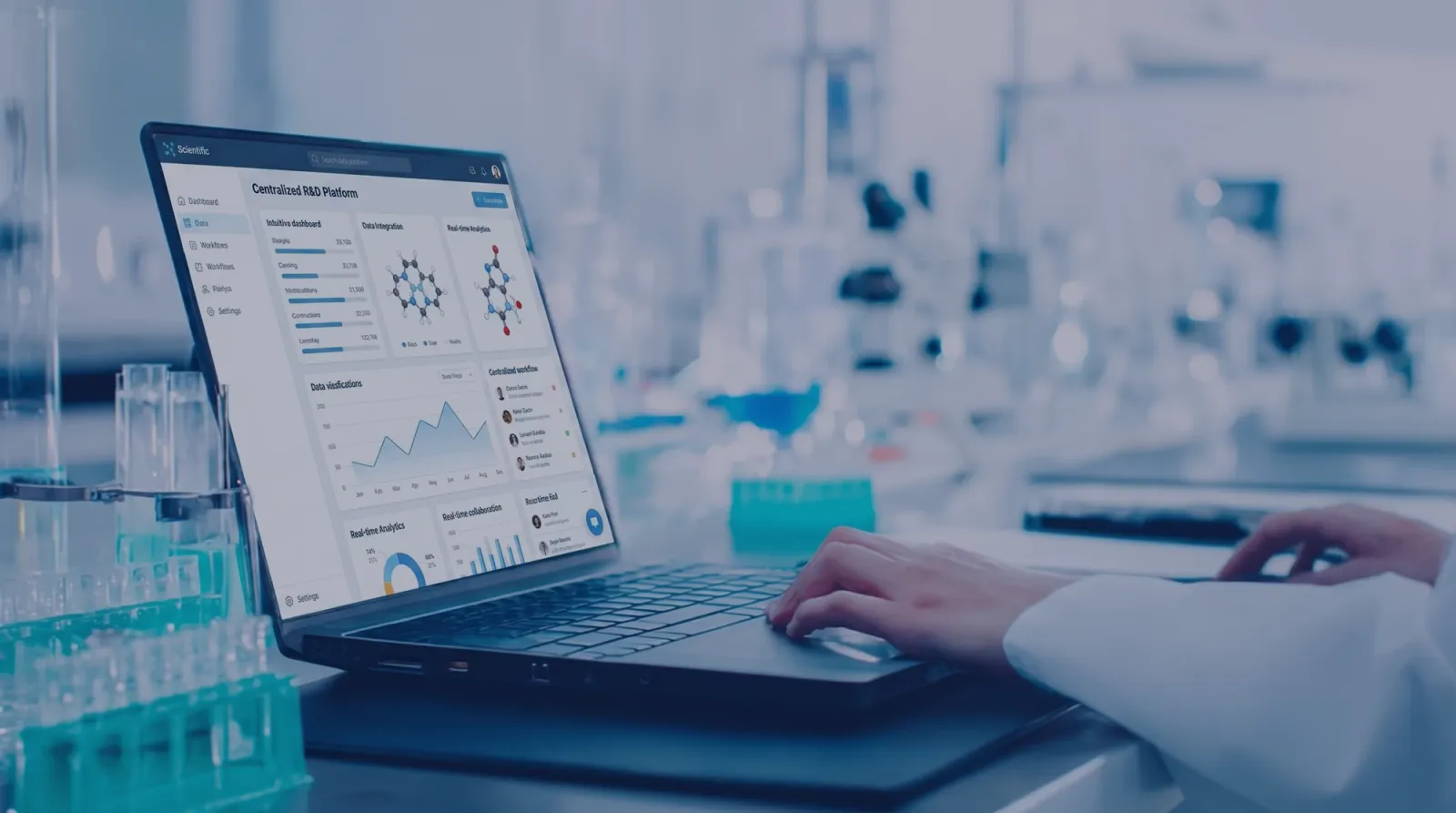 Use Case · R&D Data Platform~80Active UsersA life sciences leader puts six departments on one R&D platformA unified platform to accelerate collaboration, reduce duplication, and enable data-driven researchUndisclosed ClientFull success story
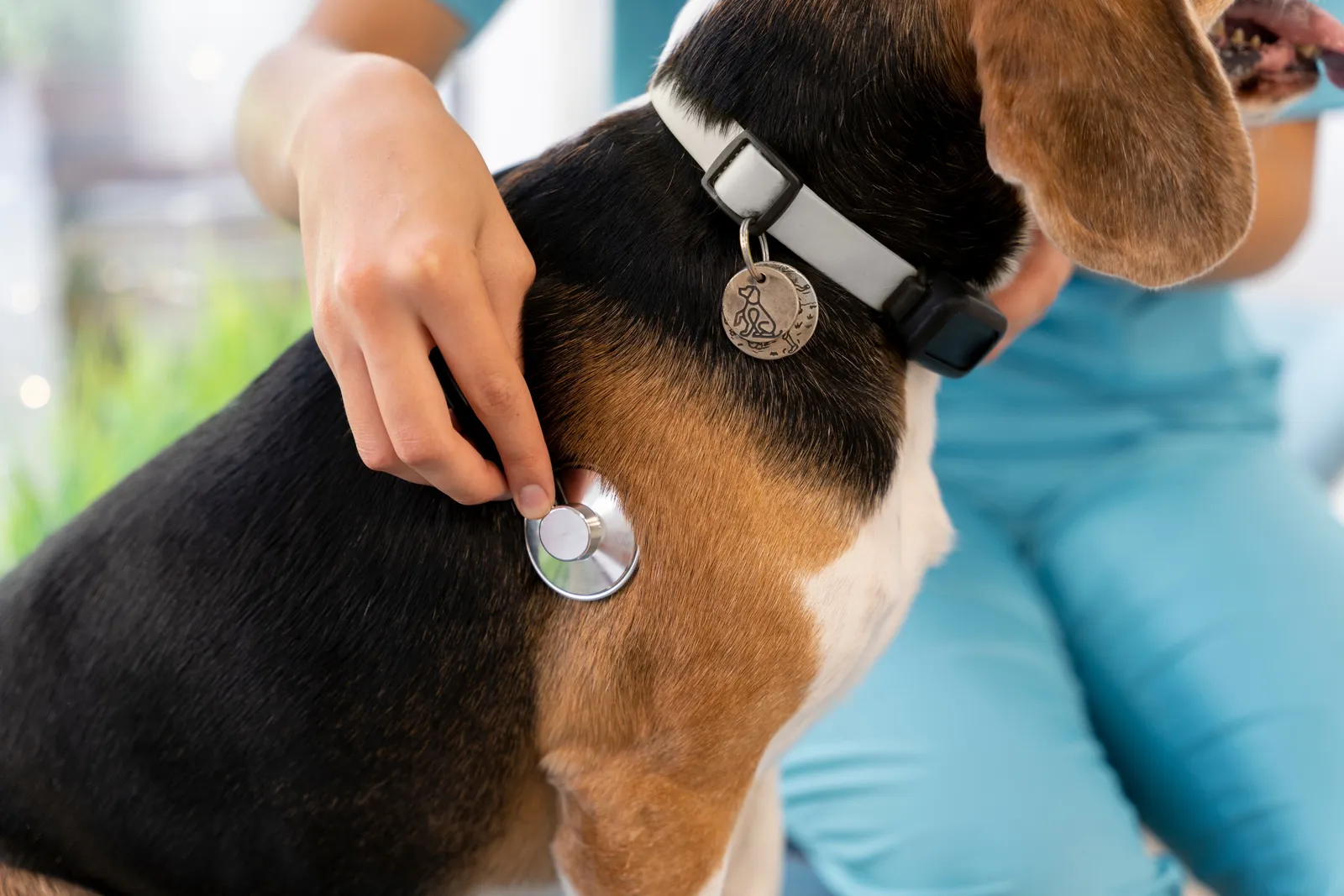 Use Case · Connected Device InsightsMaven Pet pilots context-aware wellness alerts in a proof of conceptAdding intelligence to a pet wearable platform: from hardcoded alerts to contextual insights and owner conversationsFull success story +50,000design and material combinations explored virtually in seconds+30external data types integrated through automated extractionUndisclosed Client~80Active Users

Artificial intelligence is a cornerstone of our evolution as an organisation. This partnership strengthens our ability to integrate technology in a structured, impact‑driven way, amplifying the work of our teams.

Questions
Talk to usDoes simulation replace physical testing?
It replaces much of the trial and error. Engineers explore thousands of combinations virtually, then test the best candidates in the lab.
What happens after go-live?
The team that builds your solution runs it. We monitor quality and adoption, fix what drifts and improve the solution as your business changes.
Where does our data live?
You decide. We deploy in our cloud, in your own cloud account or on your servers, and your data stays inside that perimeter under your rules.
Do we need an AI strategy before we start?
No. If you already have a use case with an owner, workable data and internal agreement, we can build it. If not, the AI Assessment finds and ranks the opportunities first.
Can you work with our own data and IT teams?
Yes. We adapt to your stack and work side by side with your engineers. We can also plan the move from a DareData team to your own team over time.
Which AI models do you use?
We are not tied to one provider. GenOS works with models such as Claude, GPT, Gemini, Mistral and Llama, and we pick per task for accuracy, cost and where the data may go.
Who owns what we build together?
Ownership is agreed in the contract before work starts. Ask us for our standard terms on the first call.
How is a project priced?
It depends on scope, length and the team it needs. After a first conversation we send a proposal fitted to your case, not a price list.
How do you keep our data secure?
Every solution runs on GenOS, with guardrails, access rules and a log of each answer, action and model call. Your security and risk owners review the design before anything goes live.
How soon do we see results?
The AI Assessment takes two working weeks and ends with a ranked plan. Most of our builds reach production in two to six months, depending on scope and data.
Other teams







Bring us your hardest AI problem.
Large enterprises trust us to carry AI all the way into production. We shape the use case, build it into your systems and run it with the governance your business needs.
- 01Use cases chosen for value, not hype
- 02Systems built into your stack and data
- 03Run, monitored and improved after go-live