
DareData develops AI for NOS department that will automate 80% of processes
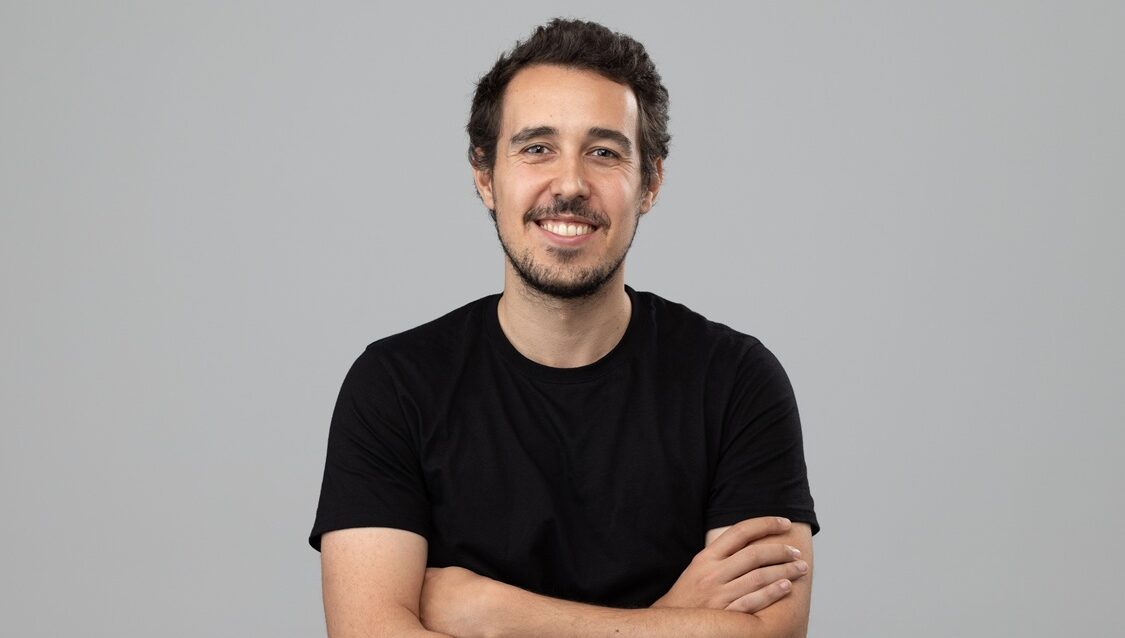
DareData is developing a platform called Gen-OS which, through Artificial Intelligence, will make it possible to automate up to 80% of processes, always based on a philosophy described as “human on the loop”, meaning the constant presence of humans, as highlighted by DareData partner and co-founder Ivo Bernardo to Jornal Económico (JE).
Gen-OS already has several clients, including the Legal Department of NOS. In this specific case, Artificial Intelligence, together with agents, will allow the NOS Legal Department to save 640 hours of work per month, reallocating that time to more creative tasks.
“It was a process where requests would arrive via email always in the same way, in a standardized format, with specific requests about NOS customers who had a certain phone number, plan, or NOS product. […] What people in the Legal Department did was read the information in that email, always standardized and always in the same way, consult the databases to explain that information and respond to the email,” explains Ivo Bernardo.
This created the challenge of using Artificial Intelligence to free these people from a repetitive process so they could focus on more creative tasks within the same department and, with that, improve processes within the organization.
Ivo Bernardo states that, with Gen-OS and its agents, in the particular case of the NOS Legal Department, Artificial Intelligence will be able to automatically resolve between 80% and 90% of requests.
“Our goal is that, over time, Artificial Intelligence will be able to resolve 90% to 95% of processes. We know it will never resolve 100%, but we always try to improve this performance over time,” says Ivo Bernardo, adding that the tool being developed by DareData makes it possible to “differentiate” when Artificial Intelligence is right or wrong, enabling the detection and management of those errors.
And it is in the remaining cases that cannot be resolved by Artificial Intelligence that DareData’s philosophy of “human on the loop” comes into play.
DareData’s platform is always prepared for “human on the loop”; in other words, the company “builds Artificial Intelligence systems that collaborate directly” with humans. “That is our vision,” says the partner and co-founder of the company.
“We do not believe that Artificial Intelligence will be able to automate 100% of processes. It is very difficult to have Artificial Intelligence automate processes in cases where the cost of error is critical,” argues Ivo Bernardo.
Ivo Bernardo believes that Artificial Intelligence will never be 100% reliable. “There is a very funny example of this. There was a situation where a Chevrolet car was sold for one dollar. A person managed to convince an Artificial Intelligence agent to sell a car for one dollar. This is something that cannot happen in companies like these,” explains Ivo Bernardo.
“In the processes that are wrong, those are passed to the human, with the Gen-OS tool helping in that process,” he clarifies.
The tool also allows people to understand when Artificial Intelligence is wrong within a specific group of topics. “For example, if we have a specific issue regarding a certain plan or a specific legal matter, users can understand whether Artificial Intelligence is systematically wrong in that problem. At that point, it becomes possible to improve Artificial Intelligence in that area,” explains the partner and co-founder of DareData.
“Gen-OS is a system to apply Artificial Intelligence in processes where the cost of error is very high. In those cases, the cost of error is extremely high, whether at a reputational level or in terms of value,” explains Ivo Bernardo.
Gen-OS is also used in the area of customer support. “We give sales teams a personal agent. Essentially, we use Gen-OS as a way to build Artificial Intelligence agents on top of Gen-OS,” says Ivo Bernardo.
In the case of agents, they can have specialized tasks. For example, one agent can be a specialist in database management, while another agent can specialize in writing emails, and it is also possible for those agents to collaborate with each other.
But Ivo Bernardo once again emphasizes that Artificial Intelligence will hardly be able to automate 100% of processes, given that it will always maintain a small percentage of error.
“I will give an example of something where Artificial Intelligence may fail. For instance, when a company’s database system is very complex, it is often difficult to explain to Artificial Intelligence how complex the management of that database actually is. When we have many complex systems with multiple processes, Artificial Intelligence may make some mistakes because it can assume things that are not true. For example, it may try to query database fields that do not exist,” explains Ivo Bernardo.
Related news

Artificial Intelligence Made in Portugal: ‘We grew more than 60% in one of the most competitive markets in the world,’ says DareData Partner.
“If we compare AI with the video game industry, we have just launched Pac-Man”
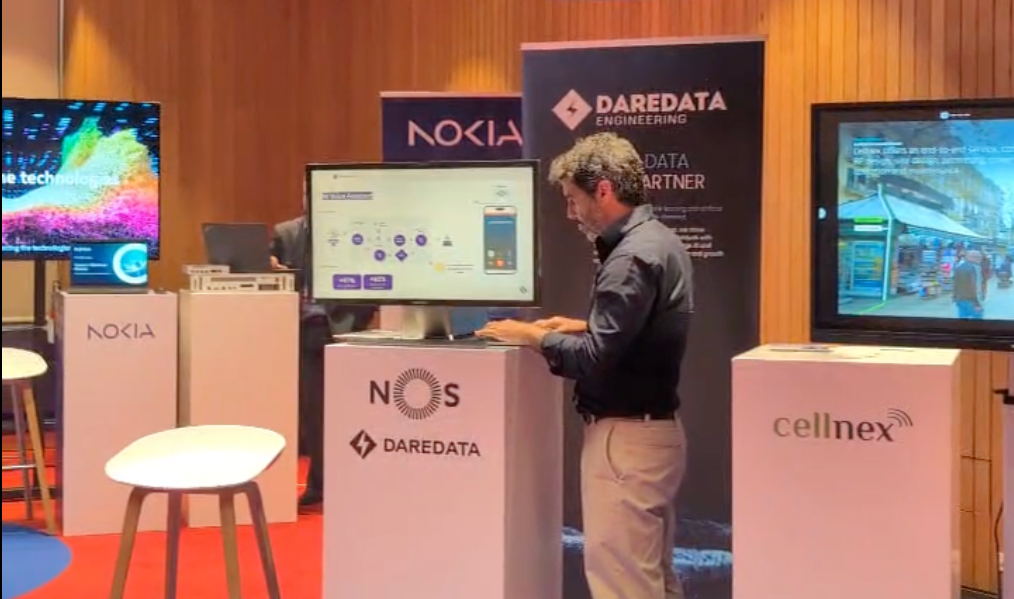
DareData presented Gen‑OS at APDC’s Digital Business Congress 2025

Ivo Bernardo discussed Gen-OS and industrial AI adoption on Jornal Económico
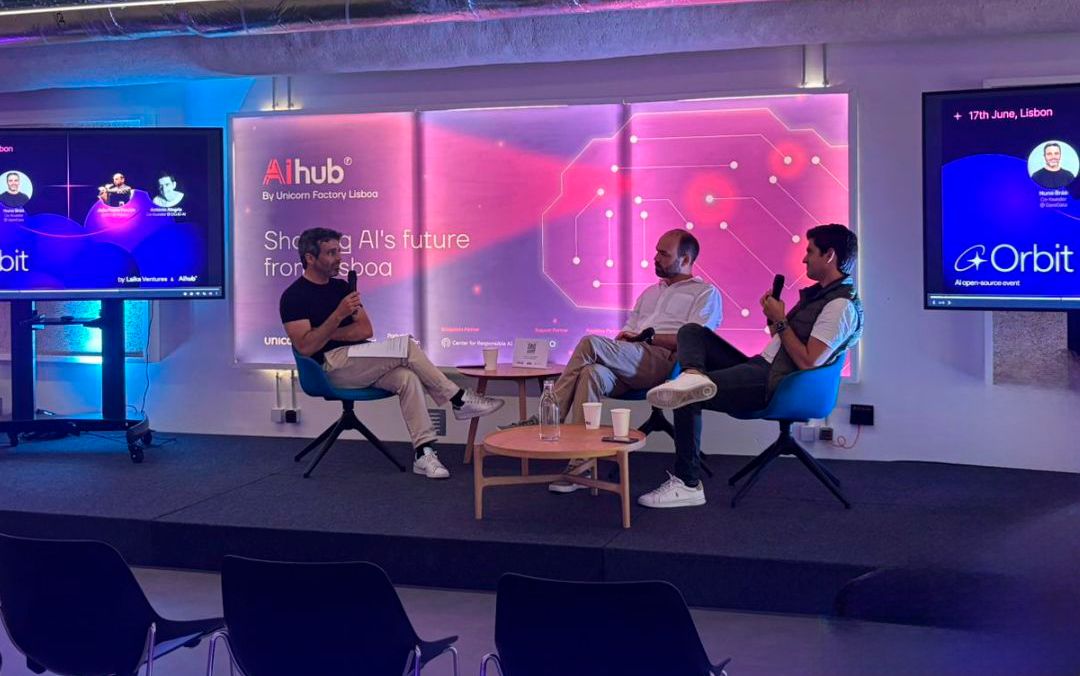
Nuno Brás joined Orbit panel to discuss AI’s impact on brand relevance
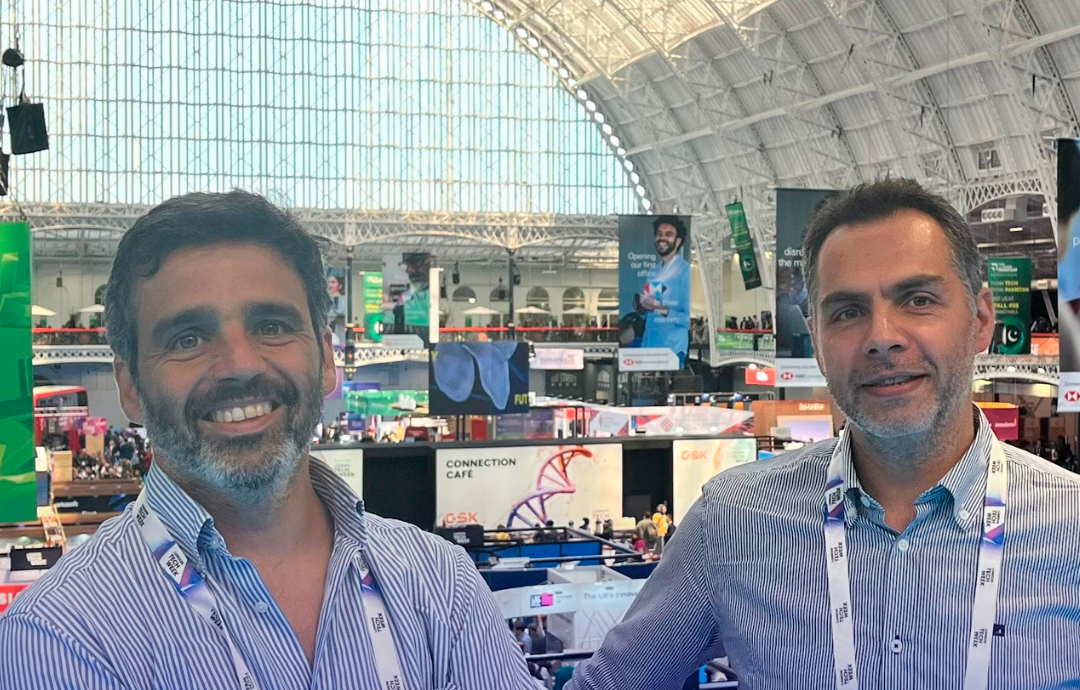
DareData joined London Tech Week 2025 to sharpen AI’s enterprise impact
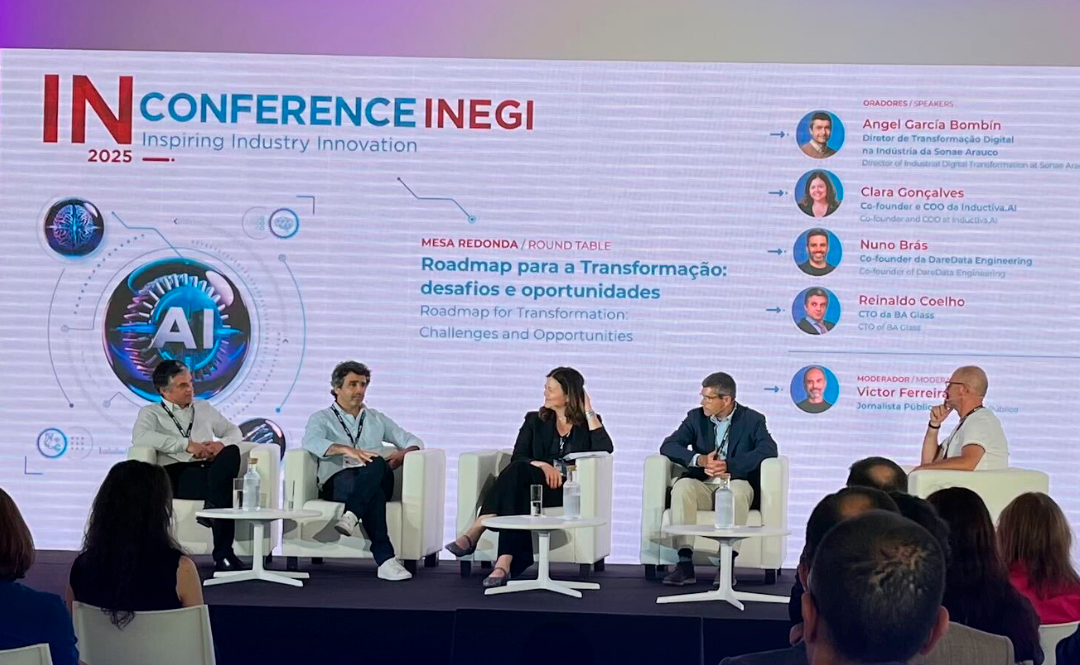
Nuno Brás spoke at INConference 2025 on industrial AI strategy
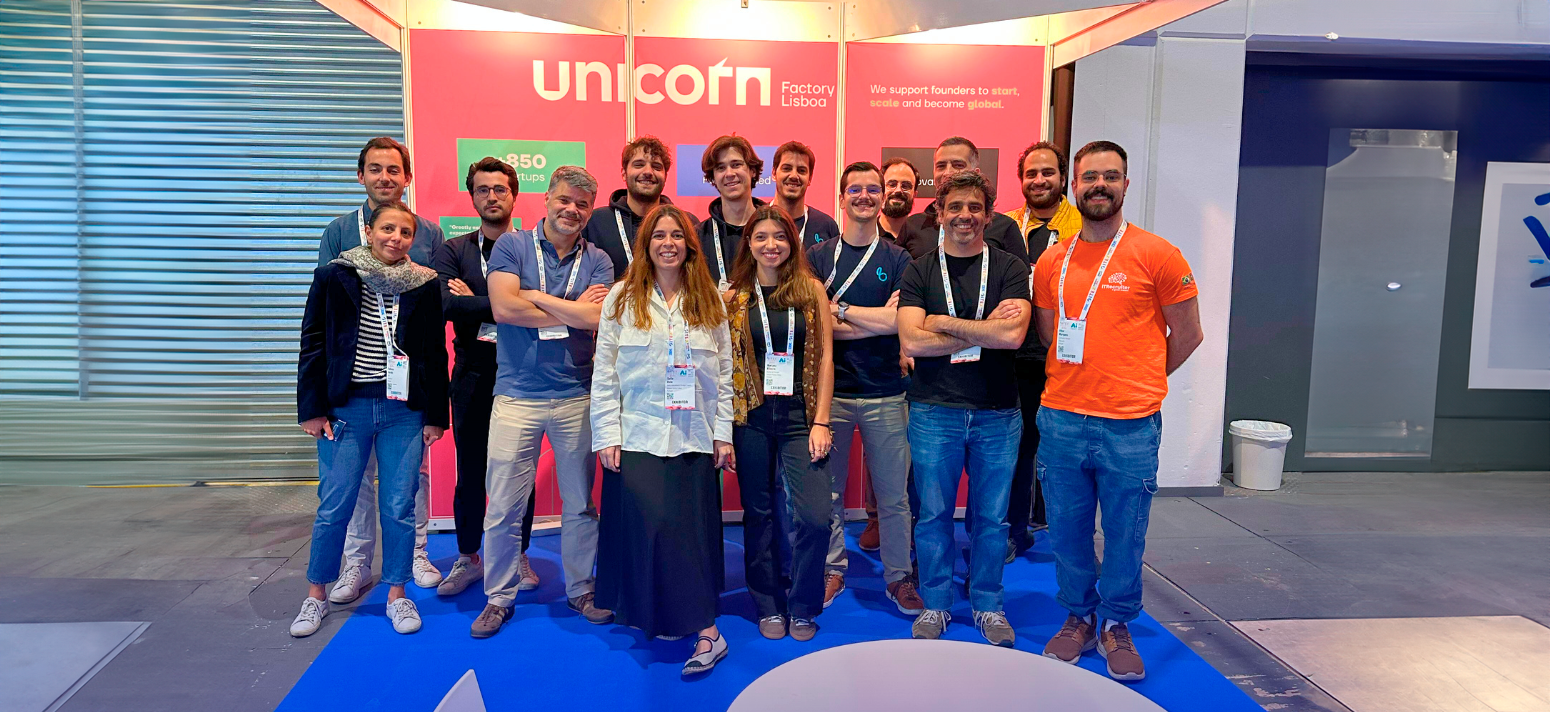
DareData brought Gen-OS to GITEX EUROPE 2025

Ivo Bernardo spoke at Data with Purpose Summit on impact-driven AI
